Live TV Streaming vs On-Demand Streaming: UK Guide
Compare live TV streaming and on-demand streaming in the UK. Learn the differences, benefits, and which suits UK viewers best.
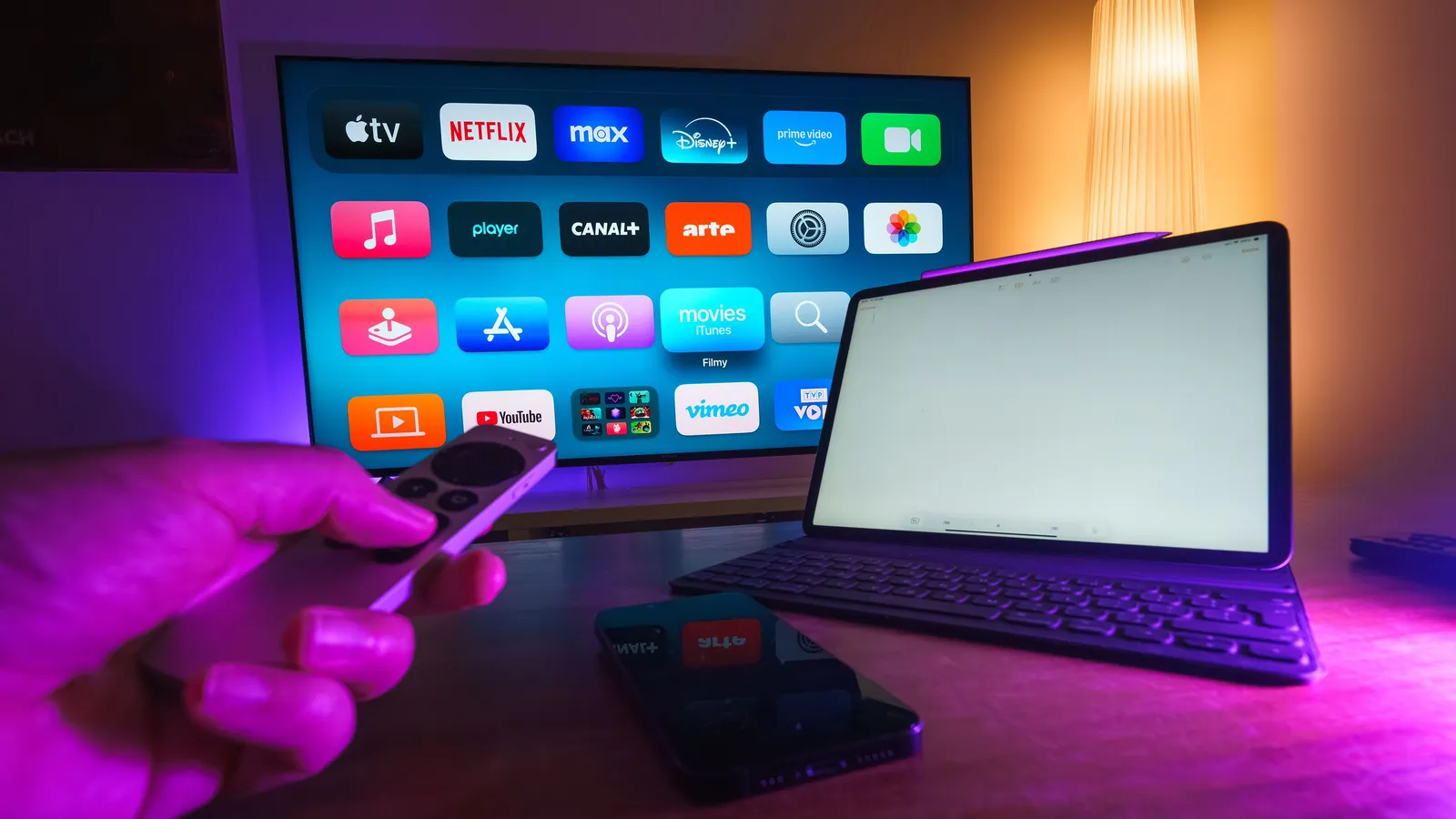
Television has changed dramatically. The old model of watching whatever was broadcast at a specific time has given way to new ways of viewing. Two of the most popular formats are live TV streaming and on-demand streaming.
Live TV streaming delivers content in real time, just like traditional television. On-demand streaming allows you to choose what to watch and when. Both have advantages and disadvantages. Understanding the differences helps you choose the right option for your needs.
This guide explains live TV streaming and on-demand streaming in detail. We compare their features, benefits, and use cases. By the end, you will know which format suits you best.
What Is Live TV Streaming?
Live TV streaming delivers television content in real time over the internet. You watch programmes as they are broadcast.
How It Works
Video data is sent from the provider's servers to your device in real time. The content is broadcast simultaneously to all viewers.
Examples
- News broadcasts
- Sports events
- Live entertainment
- Scheduled programmes
Key Characteristics
- Real-time delivery
- Shared experience
- Schedule-driven viewing
- Linear viewing
What Is On-Demand Streaming?
On-demand streaming allows you to select content and watch it whenever you want.
How It Works
Content is stored on servers. When you select a programme, the server sends the file to your device.
Examples
- Movie libraries
- Series libraries
- Catch-up TV
- Documentaries
Key Characteristics
- Time-shifted viewing
- Individual control
- Library-based access
- Non-linear viewing
Key Differences Between Live TV and On-Demand
| Feature | Live TV Streaming | On-Demand Streaming |
|---|---|---|
| Timing | Real-time | Anytime |
| Control | Limited | Complete |
| Content | Broadcast schedule | Library |
| Experience | Shared | Individual |
| Schedule | Fixed | Flexible |
| Interactivity | Limited | Full |
| Best for | News, sports, events | Movies, series, documentaries |
| Missed content | You may miss it | Watch it later |
| Binge-watching | Not usually possible | Possible |
| Commercials | Often included | May be ad-free |
Advantages of Live TV Streaming
- Real-time coverage: News, matches, and major events are available as they happen.
- Shared experience: Watching a broadcast at the same time can create a stronger social connection.
- No decision fatigue: A schedule gives you a clear next programme instead of an entire library to search.
- Curated content: Channels organise programmes into a familiar viewing flow.
- Scheduled viewing: Regular programmes can become part of a daily or weekly routine.
- Social connection: Live moments give friends and families something immediate to discuss together.
Advantages of On-Demand Streaming
- Flexibility: Watch around work, family commitments, and changing schedules.
- No missed content: Pause, replay, or return to a programme when it suits you.
- Binge-watching: Watch multiple episodes in one sitting.
- Full control: Choose the programme, start time, language, and playback speed where supported.
- Wide selection: Browse movie, series, documentary, and catch-up libraries.
- Fewer ads: Some services offer an ad-free plan or fewer interruptions.
- Resume playback: Continue from the point where you stopped watching.
Disadvantages of Live TV Streaming
- No time-shifting on some channels
- Less control over what is available at a specific moment
- Scheduling conflicts with work, travel, or family commitments
- Fixed content determined by the broadcast schedule
- Commercial breaks are often included
- Limited interactivity compared with a stored library
Disadvantages of On-Demand Streaming
- Decision fatigue: Large libraries can make choosing a programme harder.
- Content rotation: Films and series may leave a service when licensing changes.
- No shared experience: Everyone can watch at a different time, which may reduce the feeling of a shared event.
- Fewer surprises: A personal library gives you control but can remove the serendipity of a scheduled channel.
- Subscription costs: Several separate services can become expensive each month.
- Internet dependency: Streaming quality depends on your connection and home network.
Which Is Better for Different Use Cases?
| Use case | Better format |
|---|---|
| News | Live TV |
| Sports | Live TV |
| Movies | On-demand |
| Series | On-demand |
| Documentaries | On-demand |
| Scheduled programmes | Both |
| Catch-up | On-demand |
| Events | Live TV |
How British IPTV Combines Both
British IPTV can offer both live TV streaming and on-demand streaming through one internet-based service. The exact channels, library, features, and rights vary by provider, so check what is included before choosing a plan.
Live UK TV Channels
News, sports, and entertainment can be watched in real time, giving viewers the familiar channel experience without a traditional broadcast connection.
On-Demand Libraries
Movies, series, and catch-up TV can be stored in a library so you can watch around your own schedule.
Catch-Up TV
Catch-up bridges live and on-demand viewing. If you miss a programme when it is broadcast, you may still be able to watch it later, depending on the service.
Flexibility
Watch live when you want the shared moment, then switch to on-demand when your day does not fit a fixed schedule.
Single Subscription
One IPTV subscription may provide access to both formats, which can be simpler than managing several separate services. Compare channel availability, device support, picture quality, contract terms, and customer support before signing up.
Choosing What's Right for You
Choose Live TV Streaming If
- You want news and sports as they happen.
- You enjoy the shared experience of a live broadcast.
- You prefer not to decide what to watch from a large library.
- You like having a familiar schedule.
Choose On-Demand Streaming If
- You have a busy or unpredictable schedule.
- You mainly watch movies and series.
- You like binge-watching.
- You want complete control over when playback starts.
Choose Both If
- You want the best of both worlds.
- You want flexibility for everyday viewing and live coverage for important events.
- You prefer one service that combines a channel line-up with an on-demand library.
Frequently Asked Questions
What is the difference between live TV and on-demand?
Live TV delivers content in real time according to a broadcast schedule. On-demand streaming delivers content when you request it, so you can usually start, pause, stop, and resume a programme around your own timetable.
Which is better?
It depends on your viewing habits. Live TV is usually better for news, sports, and events that matter in the moment. On-demand is usually better for films, series, documentaries, and households that need flexible viewing times.
Can I watch catch-up TV on demand?
Yes. Catch-up TV is a form of on-demand viewing. It lets you watch a programme after its original broadcast, although availability can depend on the channel, provider, programme rights, and how long the episode remains in the library.
Does IPTV offer both?
Some British IPTV services offer both live channels and on-demand content. Check the provider's current channel list, library, supported devices, trial or contract terms, and licensing information rather than assuming every service includes the same features.
Is on-demand more popular?
On-demand viewing continues to grow because it fits around work, study, travel, and family routines. Live TV remains important for news, sports, shared events, and viewers who prefer a curated schedule, so many households use both formats.
Can I watch sports on-demand?
Some sports programmes, highlights, and replays are available on demand. However, fans who want the result and atmosphere as they happen generally prefer live coverage. Check the provider's rights and event availability before subscribing.
Conclusion
Live TV streaming and on-demand streaming serve different purposes. Live TV is best for news, sports, and live events. On-demand is best for movies, series, and documentaries.
British IPTV can combine both formats. Choose a reliable IPTV subscription and compare providers carefully if you are looking for the best IPTV UK option for your household. Look at content rights, device limits, streaming quality, support, and total monthly cost before making a decision.
The next guide will explain how many devices you can use with British IPTV, helping you plan the right setup for your household.